The Art of Handcrafting Sterling Silver Rings
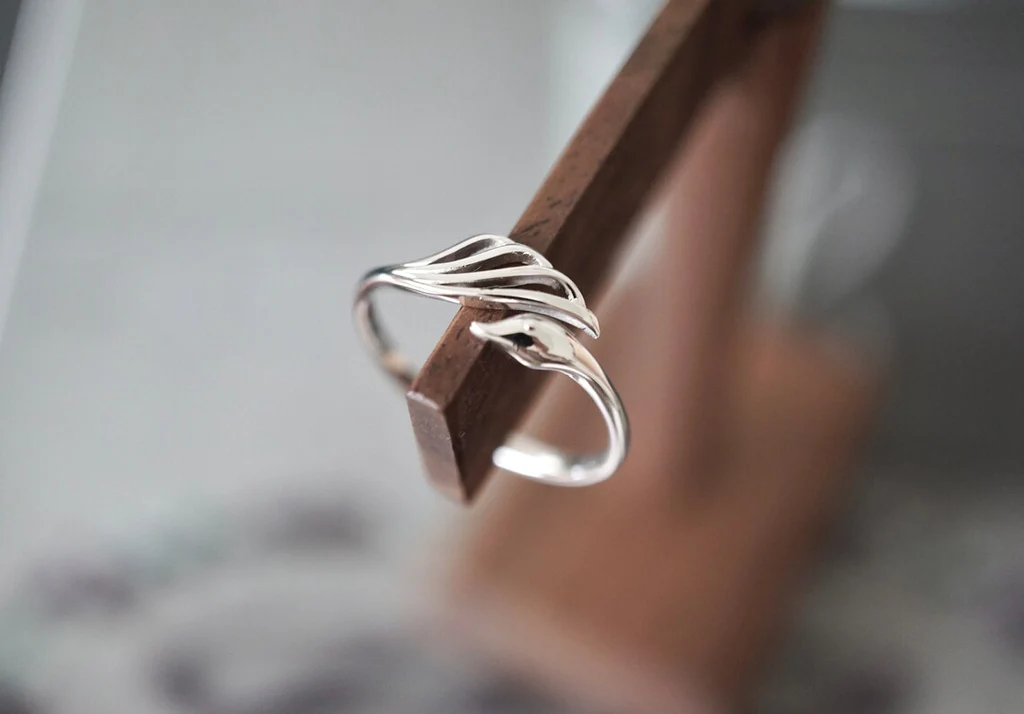
Handcrafted sterling silver rings have long been celebrated for their timeless beauty, intricate designs, and the meticulous craftsmanship involved in their creation. Unlike mass-produced jewelry, each piece of handcrafted silver ring carries a unique touch, reflecting the skill, creativity, and dedication of the artisan behind it. Those interested in understanding the craft can learn more about the techniques and tools that shape these elegant pieces.
Understanding Sterling Silver
Sterling silver is a mixture made of 92.5% pure silver and 7.5% other metals, usually copper. This combination not only enhances the durability of the metal but also provides a polished finish that can withstand daily wear. The process of crafting a sterling silver ring begins with understanding the properties of the metal. Its malleability allows artisans to mold, twist, and shape the silver into intricate patterns while maintaining strength and resilience.
Essential Techniques in Handcrafting
Creating a sterling silver ring involves several time-honored techniques. One of the most fundamental is metal forming, where silver is shaped into the desired structure through hammering, bending, and rolling. Another key method is soldering, which involves joining separate silver pieces using a high-temperature technique that ensures a seamless bond.
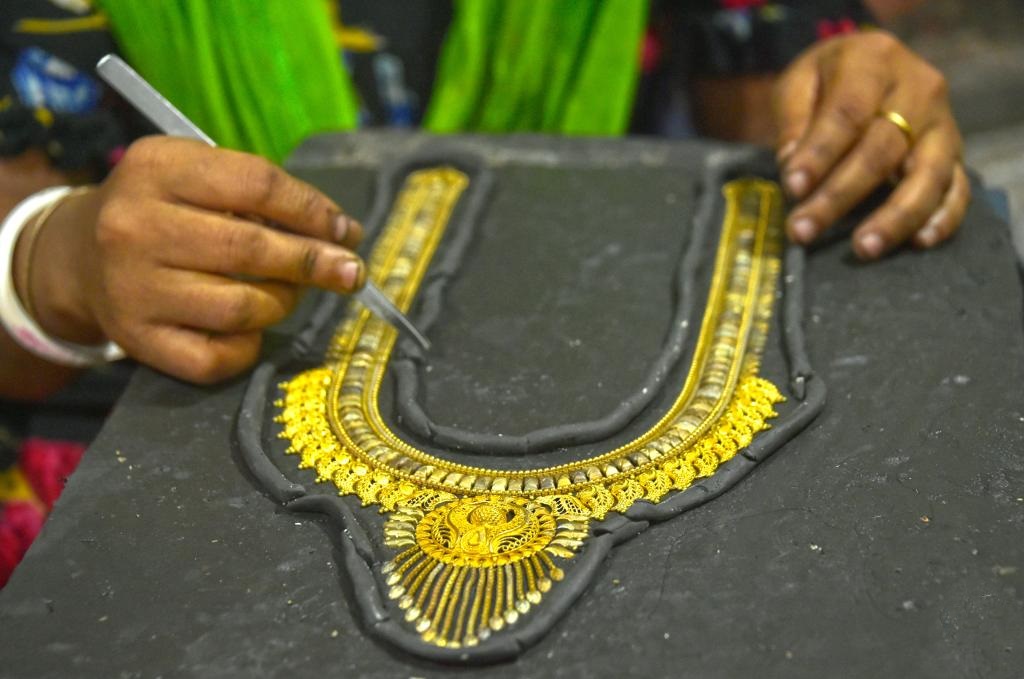
Texturing and engraving add character and depth to the ring’s surface. Artisans often employ small hammers, chisels, or specialized tools to carve detailed patterns or imprints. Techniques like filigree, which uses delicate silver wires to form intricate designs, or granulation, which involves fusing tiny silver beads onto the surface, exemplify the high level of precision and patience required.
Tools of the Trade
The art of handcrafting sterling silver rings relies heavily on specialized tools. Pliers, mandrels, hammers, and files are essential for shaping and refining the metal. For more detailed work, magnifying glasses or jeweller’s loupes help artisans maintain precision in fine engravings or stone settings. Soldering tools, including torches and flux, ensure that pieces are joined seamlessly, while polishing wheels and compounds provide the finishing touch, leaving the ring smooth and lustrous.
In addition, many artisans now integrate modern tools like rotary tools and laser engravers to enhance precision while preserving traditional craftsmanship. The combination of traditional hand tools and modern technology allows for creativity without compromising the authenticity of handmade jewelry.
The Creative Process
Every handcrafted sterling silver ring begins with a vision. Artisans often sketch designs on paper before translating them into metal. The process involves careful planning to balance aesthetics, comfort, and durability. Unlike machine-made rings, handmade silver rings often carry slight variations, which contribute to their uniqueness and charm.
The creative process also extends to selecting additional elements such as gemstones, enamel, or patinas that complement the silver. Each step demands attention to detail, from measuring and shaping to final polishing. The result is a wearable piece of art that reflects both technical skill and personal expression.
Conclusion
Handcrafted sterling silver rings represent more than just decorative accessories; they are a testament to the dedication and artistry of skilled jewellers. By mastering various techniques and using specialized tools, artisans create pieces that are not only beautiful but also durable and unique. Those interested in exploring the craft further can learn more about the artistry, techniques, and tools that make these rings exceptional.