How a Pashmina Shawl Is Made: Step-by-Step Process Explained
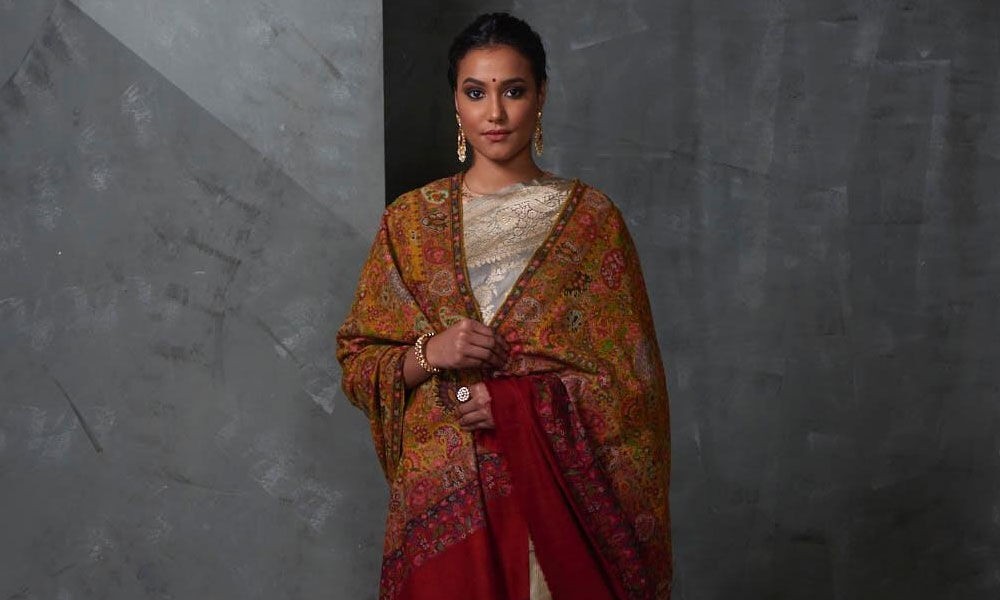
A Pashmina shawl is widely admired for its softness, warmth, and refined appearance. However, what makes a Pashmina shawl truly special is the detailed process involved in its creation. Each kashmiri shawl is the result of skilled craftsmanship, patience, and time-honored techniques passed down through generations.
Understanding how a Pashmina shawl is made helps appreciate the effort behind every piece. Whether selecting a kashmiri shawl for men or an elegant kashmiri shawl for women, knowing the production journey highlights why these shawls are considered valuable and unique.
Step 1: Collection of Fine Pashmina Fiber
The making of a Pashmina shawl begins with the collection of fine fiber. The wool used in creating a kashmiri shawl comes from special mountain goats that develop soft undercoats to survive cold climates.
During the natural shedding season, the soft fibers are carefully collected and sorted. Only the finest strands are selected for further processing, ensuring that the final shawl maintains its softness and durability.
This initial step is essential in maintaining the quality associated with both kashmiri shawl for men and kashmiri shawl for women styles.
Step 2: Cleaning and Sorting the Fibers
Once the fibers are collected, they undergo a cleaning process to remove dust and impurities. This stage ensures that the raw material is suitable for spinning.
After cleaning, artisans carefully sort the fibers according to texture and fineness. This process helps maintain consistency in the quality of each kashmiri shawl, ensuring a smooth and uniform finish.
Proper sorting also plays a key role in preserving the natural softness of the fibers.
Step 3: Spinning the Yarn
The cleaned fibers are then spun into fine yarn. This stage requires patience and precision, as the yarn must be evenly twisted to maintain strength and softness.
Traditional spinning techniques are often used to create yarn suitable for weaving a kashmiri shawl. The quality of spinning directly affects the durability and texture of the final product.
Whether creating a kashmiri shawl for men designed for warmth or a kashmiri shawl for women intended for elegance, this stage determines the overall comfort of the shawl.
Step 4: Weaving the Shawl
Weaving is one of the most important stages in the production process. Skilled artisans use hand-operated looms to weave the yarn into fabric.
The weaving process requires careful attention to pattern alignment and fabric tension. Depending on the design, this stage can take several days or even weeks to complete.
The result is a beautifully structured kashmiri shawl that combines durability with flexibility, making it suitable for both traditional and modern styling.
Step 5: Designing and Pattern Work
After weaving, the shawl may undergo additional decorative processes. Some shawls are left plain, while others feature intricate designs that enhance their visual appeal.
Patterns are carefully added to ensure balance and harmony across the fabric. These decorative details add character to the shawl, making it suitable for formal and festive occasions.
Both kashmiri shawl for men and kashmiri shawl for women collections often include patterned designs that reflect cultural artistry.
Step 6: Washing and Finishing
The final stage involves washing and finishing the shawl to enhance its softness and appearance. This process removes any remaining impurities and improves the texture of the fabric.
Finishing techniques also help refine the edges and overall structure of the kashmiri shawl, ensuring a polished and elegant look.
Once completed, the shawl is inspected for quality before being prepared for use.
Why the Making Process Matters
The step-by-step process behind creating a Pashmina shawl highlights the effort and expertise required to produce each piece. Unlike mass-produced garments, every kashmiri shawl represents hours of careful work and dedication.
This craftsmanship contributes to the lasting value of a kashmiri shawl for men or a kashmiri shawl for women, making them reliable and stylish wardrobe essentials.
Understanding the production process helps buyers recognize the difference between ordinary textiles and premium handcrafted shawls.
Conclusion
The making of a Pashmina shawl is a detailed journey that involves multiple stages, from collecting fine fibers to finishing the final product. Each step reflects the dedication of skilled artisans who ensure that every kashmiri shawl meets high standards of quality and craftsmanship.
Whether choosing a refined kashmiri shawl for men or an elegant kashmiri shawl for women, understanding the production process enhances appreciation for these timeless textiles. The care and effort invested in each shawl make it a valuable addition to any wardrobe.