Why Japanese craftsmanship makes eyewear a timeless fashion statement
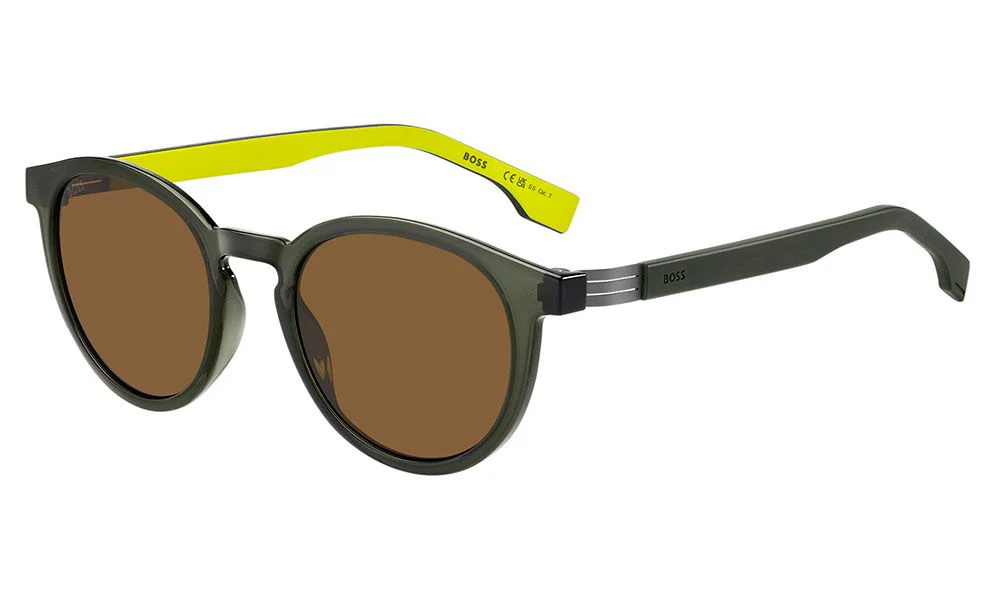
Japanese craftsmanship elevates eyewear into more than just a functional accessory; it transforms it into a timeless fashion statement. This distinction comes from meticulous handcrafting processes that involve 200 to 250 steps per frame, spanning from material selection to the final polishing. With a heritage rooted in precision and dedication, Japanese eyewear combines superior materials like pure titanium and cured acetate with design philosophies that blend traditional artistry and modern aesthetics. The result is eyewear that offers durability, comfort, and enduring style well beyond fleeting fashion trends.
Unrivaled precision and artisanal processes
The heart of Japanese eyewear craftsmanship lies in regions such as Sabae in Fukui Prefecture, a hub that has set the global standard for quality since the early 20th century. Each pair is handcrafted by skilled artisans who often dedicate up to two years perfecting every detail. Unlike mass-produced frames, Japanese eyewear embraces a philosophy where “care has been taken to make it perfect,” ensuring no compromises on quality. Esteemed brands like Masunaga Optical, founded in 1905, and Matsuda, with over 50 years of metal experimentation, exemplify this commitment by incorporating more than 200 steps in their manufacturing, using high-grade acetate, titanium, stainless steel, and even 18k gold for exceptional precision and finish.
Premium materials for longevity and comfort
One of the defining features of Japanese eyewear is the use of premium materials that guarantee both longevity and wearer comfort. Artisans expertly work with pure titanium alloys that require precise cutting and welding to achieve the lightweight yet durable frames known worldwide. Acetate used in these frames is cured for three months from cotton-derived plastic, creating rich, vibrant colors and a soft, comfortable feel. This painstaking process, often learned through years of apprenticeship, results in eyewear that is not only visually stunning but also highly functional. Features such as impact-resistant CR-39 lenses with anti-reflective coatings further enhance the user experience, combining style and practicality seamlessly.
Timeless designs blending tradition and innovation
Japanese eyewear design draws heavily from the country’s rich cultural heritage, including art, nature, and architecture, while embracing modern innovation. This fusion produces frames that are both minimalist classics and avant-garde statements, appealing to a broad audience. Brands like Eyevan and Japonism focus on clean, timeless aesthetics, whereas Matsuda and Chrome Hearts offer more daring designs without sacrificing versatility. Vintage-inspired collections from Hakusan Megane and the fusion of American classics with Sabae craftsmanship by Bros Japan highlight the diversity and enduring appeal of these frames. This blend of tradition and innovation creates an understated luxury that resonates globally as a long-term investment in style.
Global appeal and cultural legacy
At the core of Japanese eyewear manufacturing is the philosophy of monozukuri, or the art of making things with passion and purpose. This ethos produces frames regarded as wearable art rather than disposable fashion. Despite challenges such as an aging artisan population, brands continue to innovate sustainably, preserving these invaluable skills. Labels like Dita, Yellows Plus, and Kame ManNen have gained worldwide recognition for their heritage-driven elegance. For discerning eyewear enthusiasts in the United States and beyond, this cultural legacy offers a unique blend of authenticity, quality, and style. To explore these exceptional creations, you can find exclusive Japanese eyewear that embodies this timeless craftsmanship and modern appeal.
- Handcrafted frames involving 200+ meticulous steps ensuring perfection
- Use of premium materials like pure titanium and cured acetate for durability and comfort
- Designs inspired by Japanese culture, blending tradition with modern trends
- Global appeal rooted in the philosophy of monozukuri and sustainable innovation